


How Difficult Is It to Climb Mount Kilimanjaro? An Honest Guide for Beginners
Climbing Mount Kilimanjaro is a dream for many people. It is the highest mountain in Africa and one of the most famous trekking peaks in the world. At the same time, it is also one of the most misunderstood mountains. Some people think you need to be a professional climber, while others assume it is an easy walk.
The truth is somewhere in between.
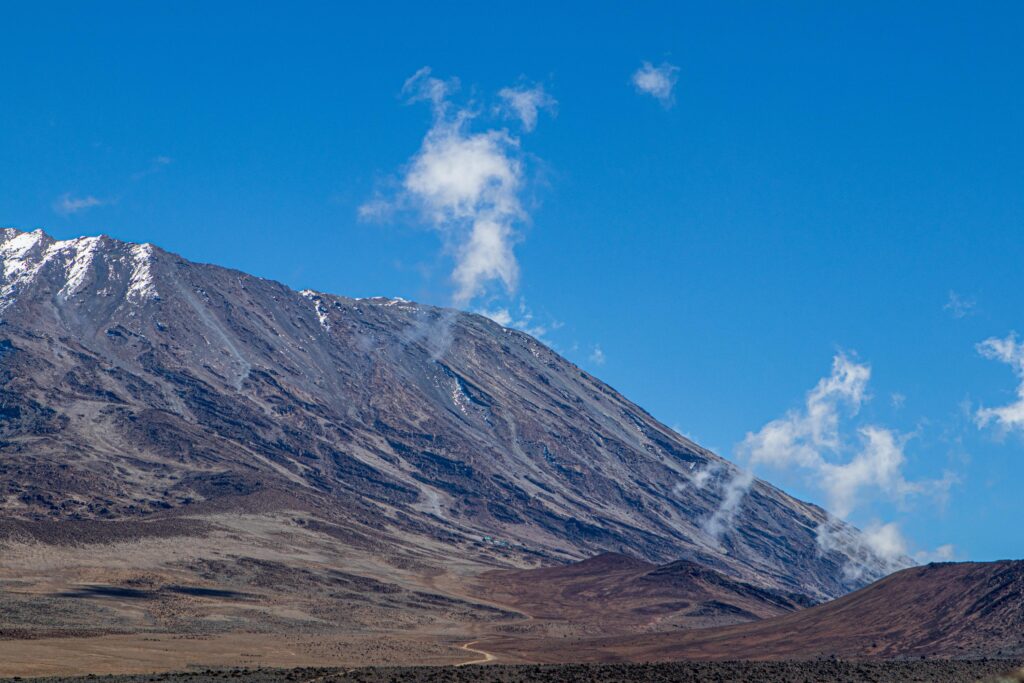
Kilimanjaro is challenging, but it is achievable for ordinary people with the right preparation, mindset, and support. This article explains honestly what makes Kilimanjaro difficult, what most people struggle with, and what you can realistically expect.
Kilimanjaro Is Not Technical Climbing
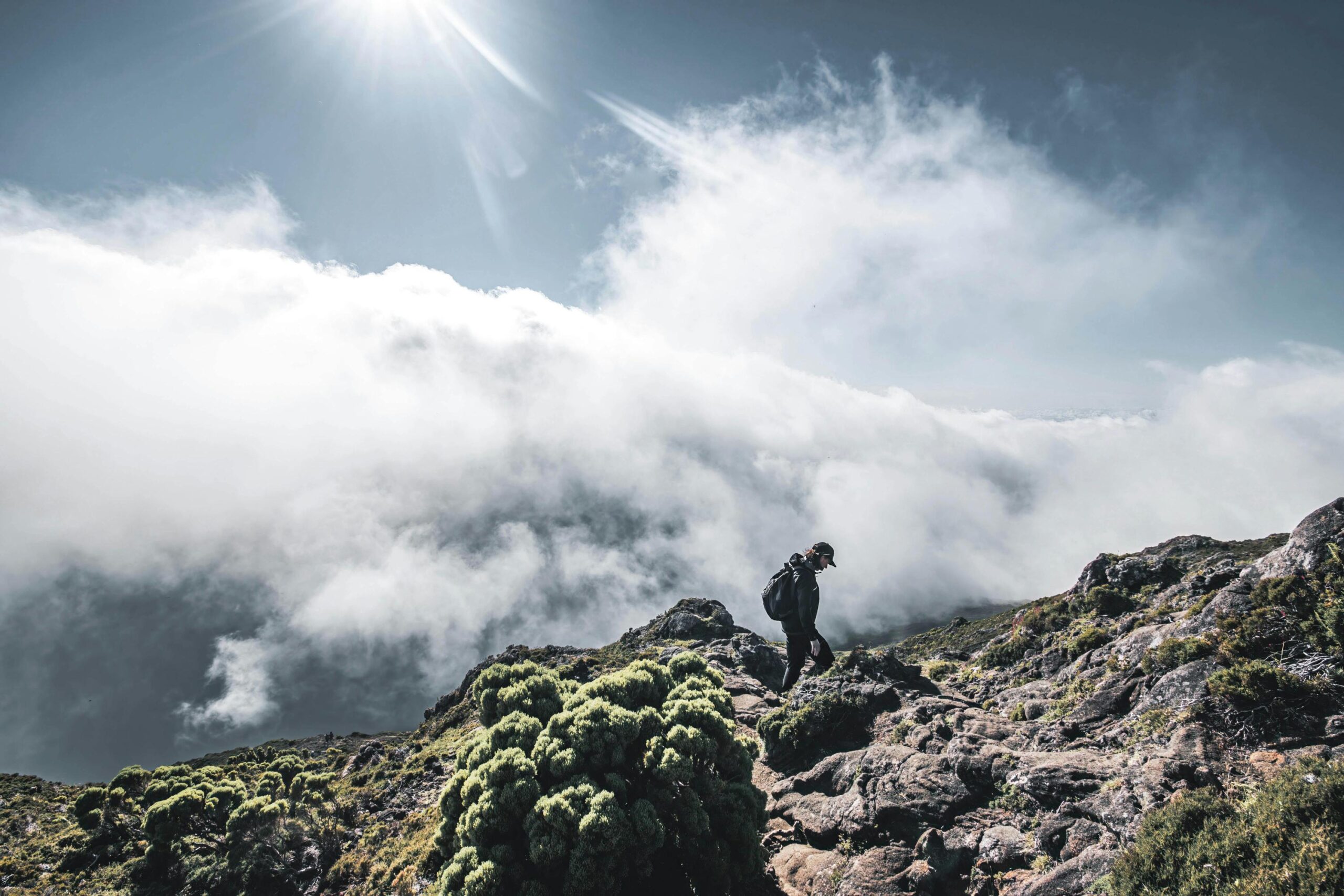
One of the most important things to understand is that climbing Kilimanjaro does not require ropes, harnesses, or mountaineering skills. It is a trekking mountain, not a technical climb.
You will be walking on established trails the entire time. The difficulty does not come from climbing steep rock faces. Instead, it comes from:
- High altitude
- Long trekking days
- Cold temperatures
- Physical and mental endurance
This is why people of many ages, backgrounds, and fitness levels manage to reach the summit.
The Real Challenge: Altitude
Altitude is the biggest reason people struggle on Kilimanjaro.
As you climb higher, the amount of oxygen in the air decreases. This affects everyone differently. Some people feel fine, while others experience symptoms such as:
- Headaches
- Loss of appetite
- Nausea
- Poor sleep
- Fatigue
- Shortness of breath
These symptoms are common and normal to a certain extent. The problem arises when people ascend too quickly or ignore what their bodies are telling them.
This is why route choice and itinerary length are so important. Routes with better acclimatization profiles, such as Lemosho or longer Machame itineraries, significantly reduce the risk of serious altitude problems.
Physical Fitness: How Fit Do You Really Need to Be?
You do not need to be an athlete to climb Kilimanjaro, but you do need a reasonable level of fitness.
On most days, you will walk between 4 and 7 hours. On summit day, you may walk for 12 to 15 hours in total. The pace is slow, but the duration is demanding.
Good preparation includes:
- Regular walking or hiking
- Cardiovascular training (jogging, cycling, swimming)
- Leg strength exercises
- Getting used to walking for several hours in a row
People who prepare consistently for a few months before the climb usually cope much better than those who arrive with little training.
Mental Strength Matters More Than People Expect
Many climbers are surprised to discover that the mental challenge is often harder than the physical one.
You will experience:
- Fatigue
- Cold
- Discomfort
- Lack of proper sleep
- Long, repetitive hiking days
Summit night, in particular, is mentally tough. You start climbing around midnight in darkness and cold. You are exhausted, and progress feels slow.
Those who succeed are often not the strongest physically, but the ones who stay patient, positive, and committed to moving forward step by step.
How Cold Does It Get?
Cold is another challenge that people underestimate.
At lower altitudes, the weather can be warm during the day. But as you climb higher, temperatures drop sharply. At camps above 4,000 meters, nights are often below freezing.
On summit night, temperatures commonly range between -10°C and -20°C, sometimes colder with wind.
Being properly dressed and equipped makes a huge difference. People who struggle with cold usually do so because they did not bring adequate clothing or sleeping gear.
Daily Life on the Mountain
Climbing Kilimanjaro is not just about walking. Daily life on the mountain affects how difficult the experience feels.
You will need to:
- Eat even when you do not feel hungry
- Drink large amounts of water
- Sleep in tents (on most routes)
- Use basic toilet facilities
- Live without showers for several days
This is manageable for most people, but it can feel uncomfortable for those who are used to luxury travel. Understanding this in advance helps avoid disappointment.
Why Route Choice Affects Difficulty
Not all Kilimanjaro routes are equal.
Short routes such as 5-day Marangu or 6-day Machame are physically demanding because the body has less time to adjust to altitude.
Longer routes such as:
- 7-day Machame
- 7-day Lemosho
- 8-day Lemosho
are considered easier overall because they allow better acclimatization, even though they involve more days of walking.
Many people fail on shorter routes and succeed easily on longer ones. The difference is not strength, but time at altitude.
What Makes People Fail to Reach the Summit?
The most common reasons people do not reach Uhuru Peak are:
- Choosing a route that is too short
- Poor acclimatization
- Not drinking enough water
- Ignoring early symptoms of altitude sickness
- Inadequate clothing and equipment
- Lack of preparation before arrival
- Mental discouragement on summit night
Very rarely does someone fail because they are physically incapable. Most failures come from poor planning or unrealistic expectations.
Who Can Successfully Climb Kilimanjaro?
Many different people reach the summit every year, including:
- People in their 20s, 30s, 40s, 50s, and 60s
- Beginners with no trekking experience
- People who trained consistently for a few months
- People who chose longer routes with good acclimatization
With the right route, good guides, and realistic preparation, Kilimanjaro is achievable for a wide range of people.
Is It Worth It?
Almost everyone who reaches the summit says the same thing: it was one of the hardest things they have ever done, and one of the most rewarding.
Standing on Uhuru Peak at sunrise, knowing you walked from the rainforest to the roof of Africa, creates a sense of achievement that is difficult to describe.
The challenge is real, but so is the reward.
Final Thoughts
Climbing Mount Kilimanjaro is not easy, but it is absolutely possible for ordinary people.
It requires:
- Preparation
- Patience
- The right route
- The right mindset
- Good support from experienced guides
If you respect the mountain and take the process seriously, you give yourself a very strong chance of success.
One Comment
A WordPress Commenter
10 Apr 2025Hi, this is a comment.
To get started with moderating, editing, and deleting comments, please visit the Comments screen in the dashboard.
Commenter avatars come from Gravatar.