


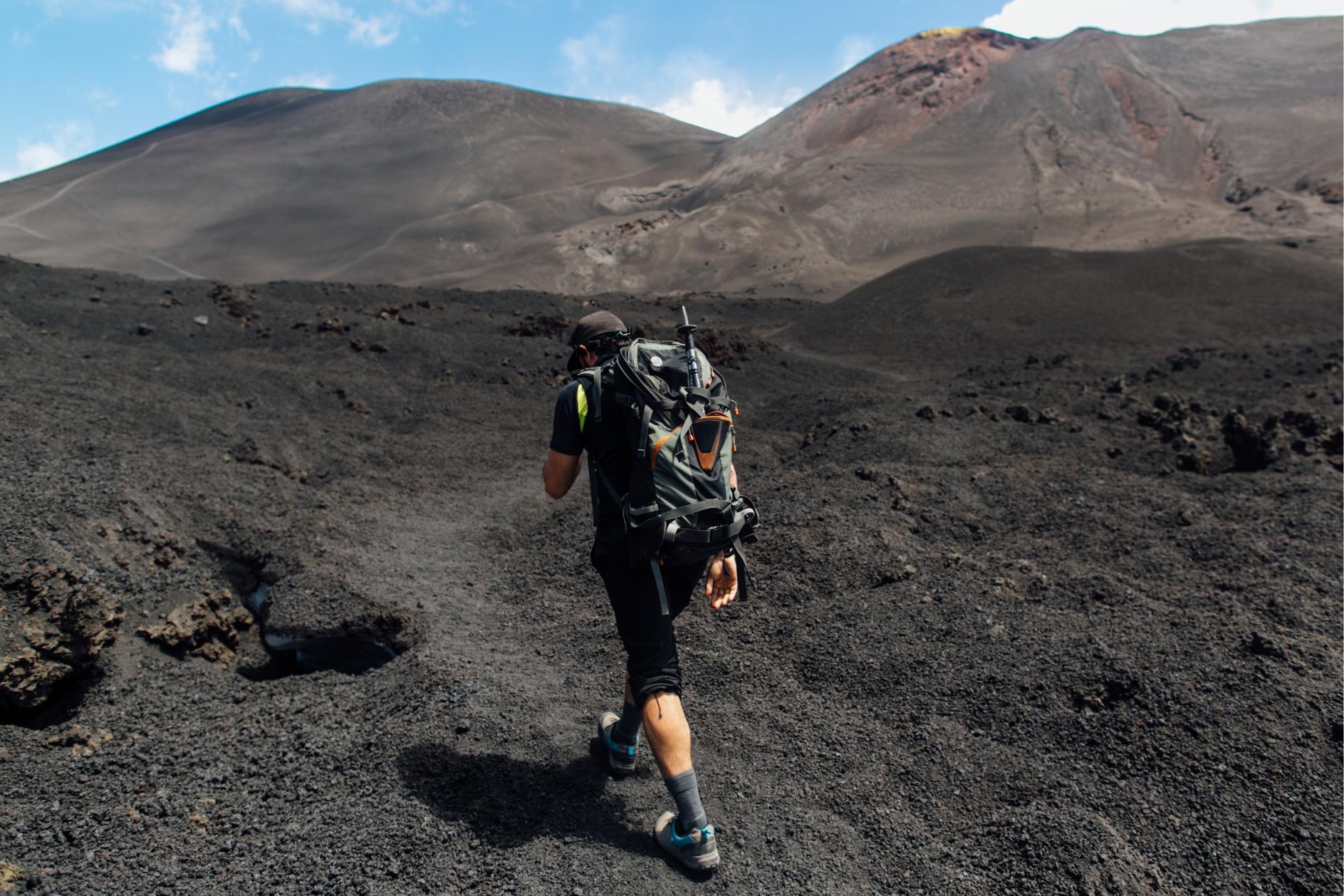
What to Pack for a Kilimanjaro Climb: The Complete Practical Guide
Packing properly for Mount Kilimanjaro is one of the most important factors in a successful climb. Many climbers fail not because they are unfit, but because they arrive with the wrong clothing, poor equipment, or missing essentials.
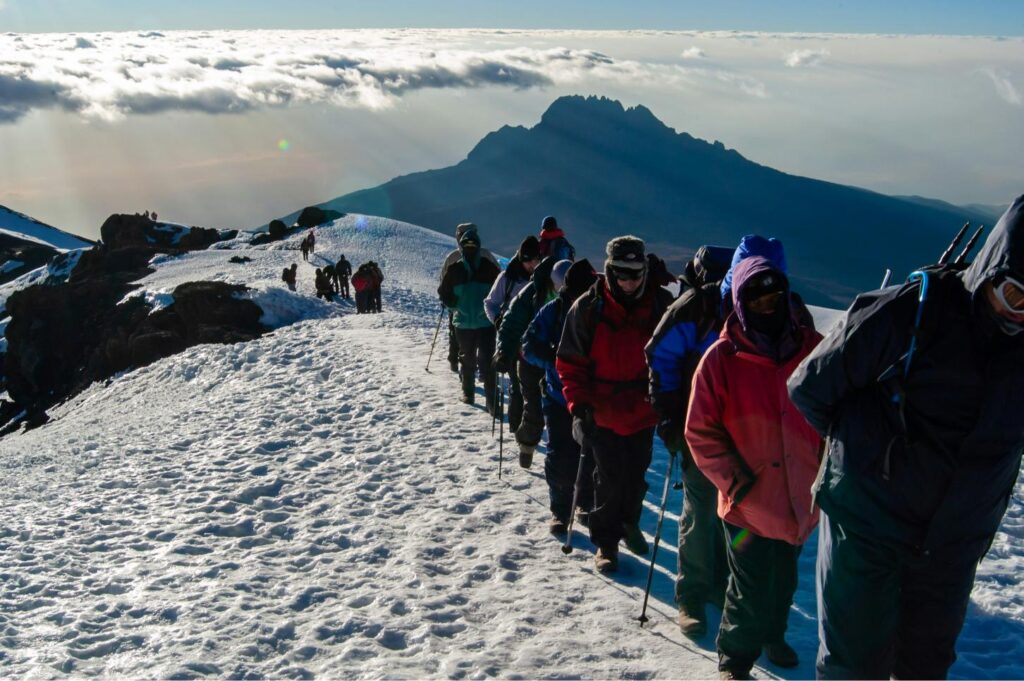
Kilimanjaro is unique because you walk through several climate zones in just a few days. You begin in warm rainforest and finish in freezing arctic conditions. That means your packing list must prepare you for heat, rain, dust, wind, and extreme cold all in one expedition.
This guide explains exactly what you need, why you need it, and how to avoid common mistakes.
Understanding the Weather on Kilimanjaro
Before packing, it helps to understand what you are preparing for.
On the lower slopes, daytime temperatures can be warm, sometimes above 25°C. In the rainforest, it is often humid and rainy. As you climb higher, temperatures drop significantly. At night, especially above 4,000 meters, temperatures can fall below freezing.
On summit night, temperatures often reach -10°C to -20°C, combined with strong wind and exhaustion. Your clothing and equipment must protect you in these conditions.
This is why proper layering is critical.
Clothing System: Layering Is Everything
Instead of bringing one heavy jacket and random clothes, experienced climbers use a layering system. This allows you to adjust as conditions change throughout the day.
Base Layers (Worn against the skin)
These keep you dry by managing sweat.
You should bring:
- 2 to 3 moisture-wicking T-shirts (not cotton)
- 1 to 2 long-sleeve thermal tops
- 1 pair of thermal leggings for cold nights
Avoid cotton. Cotton holds moisture and makes you cold.
Mid Layers (Insulation)
These keep you warm as you gain altitude.
You should bring:
- 1 fleece jacket or warm sweater
- 1 insulated jacket (light down or synthetic)
These layers are worn in the evening, early morning, and during colder hiking sections.
Outer Layers (Protection from wind and rain)
These protect you from harsh conditions.
You should bring:
- Waterproof jacket with hood (very important)
- Waterproof trousers
- Windproof outer shell
Rain is common in the forest zone and wind is strong on summit night. Cheap raincoats are not enough.
Trekking Trousers and Shorts
Bring:
- 1 to 2 pairs of trekking trousers
- 1 pair of lightweight hiking pants
- Optional: 1 pair of shorts for lower altitudes
Your trousers should be comfortable, quick-drying, and not restrictive.
Summit Night Clothing (Critical)
Summit night is the coldest and hardest part of the climb. You must be fully prepared.
You will need:
- Heavy insulated down jacket
- Warm thermal base layers
- Fleece mid-layer
- Insulated gloves (thick, not thin liners)
- Warm hat covering ears
- Neck gaiter or balaclava
- Thick wool or thermal socks
Many climbers underestimate how cold summit night feels. Being underdressed can end your climb.
Footwear: Boots Matter More Than You Think
Your boots will make or break your experience.
You need:
- Waterproof hiking boots, already broken in
- Good ankle support
- Comfortable fit with thick socks
Do not bring brand-new boots to Kilimanjaro. Blisters and foot pain are one of the most common reasons people struggle on the mountain.
Also bring:
- 3 to 4 pairs of good-quality hiking socks
- 1 pair of warm thermal socks for summit night
- Lightweight shoes or sandals for camp
Sleeping Gear
Most operators provide tents and mattresses, but you still need your own sleeping bag.
You should bring:
- Sleeping bag rated to at least -10°C
- Sleeping bag liner (adds warmth and hygiene)
Nights become very cold above 4,000 meters. A poor sleeping bag will affect your rest and recovery.
Backpack and Bags
You will usually carry a small daypack while porters carry the main bag.
Bring:
- Daypack (20–30 liters)
- Duffel bag (carried by porters)
- Waterproof cover for your daypack
Your daypack should fit:
- Water
- Snacks
- Camera
- Jacket
- Sunscreen
- Personal items
Essential Accessories
These items are small but extremely important:
- Headlamp with spare batteries (for summit night)
- Sunglasses with UV protection
- Sun hat or cap
- High SPF sunscreen
- Lip balm with SPF
- Reusable water bottles or hydration bladder (minimum 2–3 liters capacity)
- Trekking poles (very helpful on descents)
- Personal first aid kit
- Wet wipes and hand sanitizer
- Toilet paper
- Power bank for charging devices
Toiletries and Personal Items
Keep these simple and lightweight:
- Toothbrush and toothpaste
- Biodegradable soap
- Quick-dry towel
- Personal medication
- Altitude medication (if prescribed by your doctor)
If you wear contact lenses, consider bringing glasses instead. Dust and cold make lenses uncomfortable.
Important Documents
Always keep these in a waterproof pouch:
- Passport
- Travel insurance details
- Visa
- Vaccination certificates
- Emergency contact details
- Copy of your booking confirmation
What Not to Bring
Many climbers overpack. This makes the trek harder and increases porter load.
Avoid bringing:
- Too many clothes
- Heavy books
- Large electronics
- Unnecessary luxury items
- Strong perfumes (they attract insects in lower zones)
Remember: porters carry your main bag, but weight limits usually apply.
Common Packing Mistakes That Cause Problems
Climbers often make these mistakes:
- Bringing cotton clothing
- Wearing brand-new boots
- Underestimating summit night cold
- Forgetting rain protection
- Packing too much unnecessary gear
- Not testing equipment before arrival
These mistakes can be avoided with proper preparation.
Final Advice
Packing well does not mean packing expensively. It means packing smart.
You do not need the most expensive brands, but you do need:
- Warm layers
- Waterproof protection
- Comfortable boots
- Reliable sleeping gear
If you arrive prepared, your body can focus on the climb instead of struggling with discomfort.